
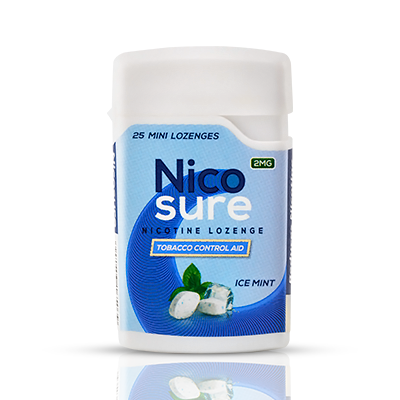
As your body adjusts to life without nicotine, you may experience withdrawal symptoms, often referred to as “smoker’s flu.” At the same time, many people turn to nicotine replacement therapies (NRTs) like nicotine tablets to ease the transition. Understanding how nicotine tablets work and how they compare to smoker’s flu symptoms can help you navigate the quitting process with more confidence.
What Are Nicotine Tablets?
Nicotine tablets are a type of nicotine replacement therapy designed to help reduce cravings and withdrawal symptoms. They are typically placed in the mouth, where nicotine is absorbed through the lining of the mouth.
Unlike smoking, nicotine tablets:
- Deliver controlled, lower doses of nicotine
- Do not expose you to harmful chemicals like tar or carbon monoxide
- Help gradually reduce nicotine dependence
They are especially useful for managing sudden cravings and maintaining consistency in your quit journey.
What Is Smoker’s Flu?
“Smoker’s flu” isn’t an actual flu, but a collection of symptoms that occur when your body begins to detox from nicotine and other chemicals found in tobacco.
Common Symptoms Include:
- Headaches
- Fatigue or low energy
- Sore throat or coughing
- Irritability and mood swings
- Difficulty concentrating
- Increased appetite
- Mild fever-like sensations
These symptoms usually begin within the first few days after quitting and can last for 1–2 weeks, although some effects may linger longer.
Why Does Smoker’s Flu Happen?
When you stop using tobacco, your body starts repairing itself. This includes:
- Clearing out toxins from the lungs
- Restoring normal brain chemistry
- Improving circulation and oxygen levels
While these changes are positive, they can temporarily make you feel unwell. It’s your body recalibrating after being dependent on nicotine.
Nicotine Tablets vs Smoker’s Flu: Key Differences
- Purpose
- Nicotine Tablets: Help reduce withdrawal symptoms by supplying controlled nicotine
- Smoker’s Flu: A natural response to quitting nicotine and detoxifying the body
- Symptoms vs Relief
- Nicotine Tablets: Ease cravings, irritability, and restlessness
- Smoker’s Flu: Causes discomfort like fatigue, headaches, and mood changes
- Duration
- Nicotine Tablets: Used for weeks or months as part of a gradual reduction plan
- Smoker’s Flu: Typically, short-term (a few days to two weeks)
- Control
- Nicotine Tablets: Allow you to manage cravings proactively
- Smoker’s Flu: Happens passively as your body adjusts
Tips to Manage Smoker’s Flu While Using Nicotine Tablets
Combining nicotine tablets with healthy habits can make quitting smoother:
Stay Hydrated: Drinking plenty of water helps flush toxins out of your system and reduces headaches and fatigue.
Get Enough Rest: Your body is healing, so prioritize sleep to support recovery.
Eat Balanced Meals: Healthy foods can help manage increased appetite and stabilize energy levels.
Stay Active: Light exercise can improve mood, reduce cravings, and boost energy.
Practice Stress Management: Deep breathing, meditation, or even short breaks can help manage irritability and anxiety.
When to Consider Nicotine Tablets
Nicotine tablets may be a good option if you:
- Experience strong cravings throughout the day
- Have tried quitting before but relapsed
- Want a discreet, smoke-free alternative
- Prefer a controlled and gradual reduction approach
They can be used alone or as part of a broader quit plan that includes behavioral support.
When to Seek Additional Help
If your symptoms feel overwhelming or last longer than expected, consider seeking support from a healthcare professional. They can guide you on:
- Proper use of nicotine replacement therapies
- Alternative treatments or medications
- Personalised quitting strategies
Conclusion
Quitting tobacco is a journey that comes with both challenges and rewards. While smoker’s flu can feel uncomfortable, it’s a sign that your body is healing. Nicotine tablets can play a helpful role by easing cravings and making withdrawal more manageable. With the right combination of support, patience, and consistency, you can successfully move past the discomfort and take control of your health, one step at a time.